Introducing MascotAI: Animated SVG Mascot Studios for Apps
MascotAI turns a short product brief into an animated SVG mascot studio with gestures, themes, and downloadable packs. Try live examples free.
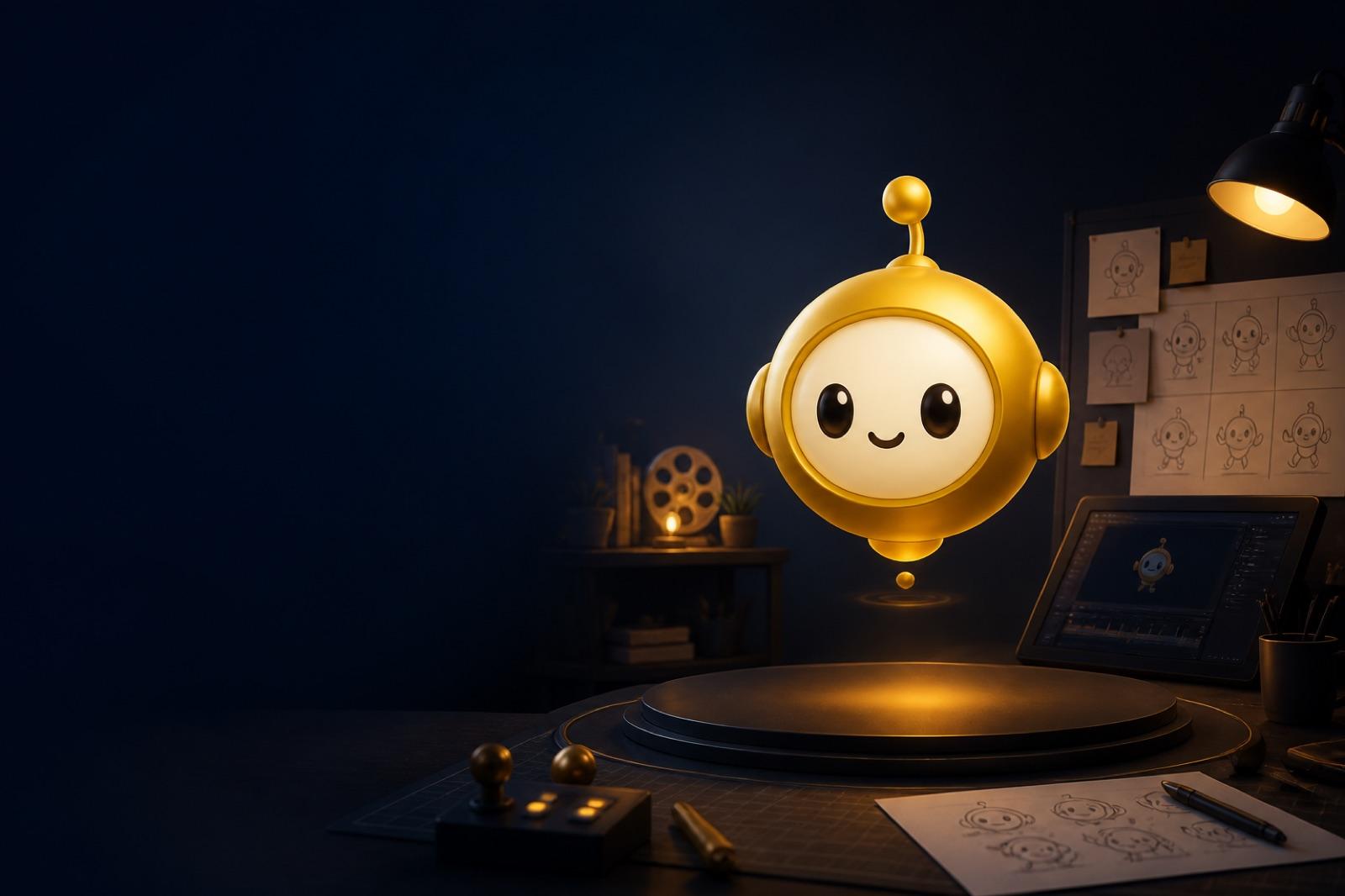
Most apps launch with a logo and a shrug. The product might be sharp. The interface might be clean. Still, in a feed full of nearly identical dashboards, nothing sticks to the ribs.
Duolingo has Duo. Mailchimp has Freddie. Those characters do more than decorate a homepage. They show up in onboarding, empty states, notifications, and launch videos, teaching people what the brand feels like long before anyone reads a feature list.
Plenty of teams know they want that kind of presence. Then the quote from an illustrator lands, or the timeline stretches into “next quarter,” or someone pastes a one-off AI image into Figma and discovers it cannot wave, celebrate, apologize, or recolor for dark mode. A single pretty still is a poster. Product work needs a system.
That gap is why MascotAI exists.
What MascotAI is
MascotAI is an animated mascot studio for people shipping web and mobile apps. You write a short brief about the product and how it should feel. You pick a direction from a few options. You get a full gesture set as downloadable SVG packs you can put into a codebase, with themes and parts you can still change later.
The site’s own framing puts it plainly: every great app has a personality. MascotAI is the workshop where that personality becomes something engineers and designers can actually ship.
A few things that matter in practice:
- Studios, not single images. Poses for idle, celebration, and the awkward middle moments products actually have.
- SVG-first output. Crisp on every screen density, friendlier to theme swaps than a baked PNG hero.
- Interactive examples before signup. You can open live studios on appmascot.ai and click around with no account.
- Visible token costs. Plans meter generation across several models from OpenAI and Anthropic, and you see the cost before you hit create.
If you have been searching for an app mascot generator that thinks like product infrastructure rather than a sticker machine, this is the lane MascotAI is built for.
How a brief becomes a shippable mascot studio
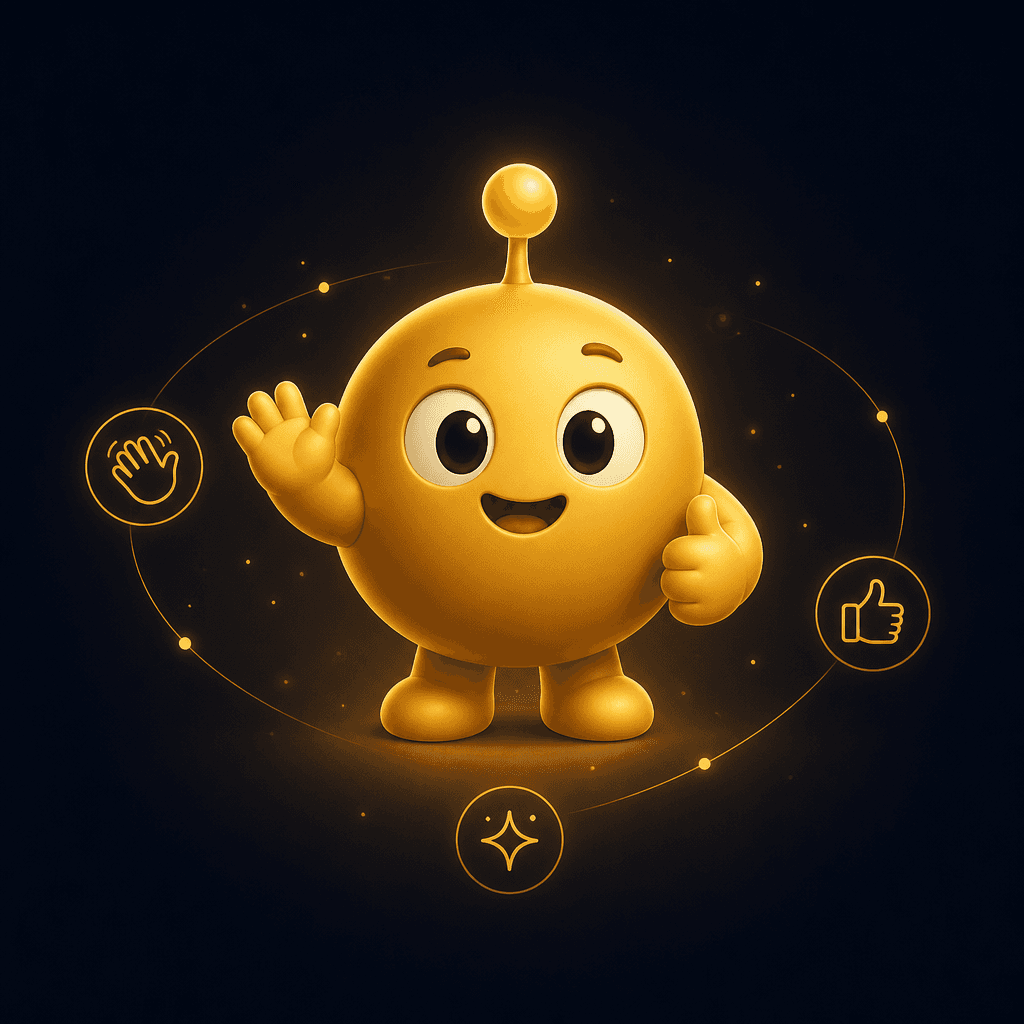
The flow is deliberately short.
Step one: write a brief. Say what you are building and how it should feel. No design files required. A founder who can describe their app in two honest sentences already has enough input.
Step two: pick your look. A few different directions come back. You choose one. The full gesture set grows around that choice instead of around fifty half-related doodles.
Step three: ship it. Download animated SVGs, paste them into the product, then keep iterating: add gestures, swap themes, toggle parts when the brand palette shifts.
Under the hood, the studio experience is where the craft shows. Themes are meant to recolor the character without redrawing every pose. Parts let you turn elements on and off. Gesture packs cover the emotional grammar of a real app. Export is the point, not a teaser behind a wall of “coming soon.”
That combination is what separates a mascot studio from a novelty avatar. Avatars impress in a screenshot. Studios survive a roadmap.
Live examples, marketplace, and ownership
Before you spend a token, MascotAI puts proof on the table. Public example studios (characters built for real product contexts such as speech coaching, alarms, morning rituals, and companion apps) are live on the homepage. Open one. Change a theme. Try a pose. Feel whether the motion and silhouette hold up at UI scale.
When you create your own mascot, it lives in your library as something you own and can keep editing. Remixed and purchased mascots follow the same idea: full studio capabilities once the pack is yours, including export and further generation where your plan allows.
There is also a marketplace path for teams that want a ready-made pack. Listings preview the same pack a buyer receives. Buy-to-own copies that pack into the buyer’s library as their own record. Remix unlocks a different, time-bound path for generation. Preview surfaces stay honest about what you can and cannot export before purchase.
For founders who hate buying a mystery box, that parity matters. What you play with on appmascot.ai/marketplace should match what lands in the library after checkout.
Who MascotAI is for (and when to skip it)
MascotAI is built for people who are mid-build or mid-rebrand and need a character that can live inside the product:
- Indie makers who cannot fund a six-week illustration cycle
- Product and design teams that want SVG packs, not only marketing heroes
- Marketers who need a consistent face across launch posts and empty states
- Educators and consumer-app builders who already know habit products reward warmth
You might skip it if you already have a locked brand character with a full pose bible and an in-house animator. You might also skip it if your product deliberately wants cold, institutional UI with zero personification. MascotAI will not argue you into a cartoon frog for a central bank admin console. Taste still belongs to you.
For everyone else stuck between “we should have a Duo” and “we have a random Midjourney PNG,” the studio model is the missing middle.
Why characters still move the needle
Passion for mascots is easy. Evidence helps when you are asking a team to spend time and tokens.
Brand research on recurring characters (System1’s work on “fluent devices,” drawing on IPA long-term campaign data) has repeatedly found that character-led campaigns are more likely to deliver large commercial effects than campaigns without them. Public summaries often cite higher odds of profit gain, market share gain, and customer gain. System1 Ad Ratings work has also noted how rare coherent character work remains, which is part of why a good mascot still feels distinctive in a sea of gradient logos.
Duolingo’s SEC-filed letters tie mascot-led marketing to user growth at scale — for example, Q1 2026 DAU of 56.5M (+21% YoY) following a Q1 2025 quarter that benefited from the “Death of Duo” stunt. Filings do not isolate “Duo in notifications” as a single KPI. A recognizable character gives a notification a familiar face. See how Duolingo uses Duo for sourced metrics and imagery.
MascotAI does not invent that research. It tries to make the production path short enough that more apps can act on it: brief in, studio out, SVG in the repo.
Getting started at appmascot.ai
If you want the fastest honest evaluation, do this:
- Open the MascotAI homepage.
- Open one of the live example studios with no account. Stress-test themes and gestures.
- When you are ready, sign up and build from a short brief on the create flow.
- Export the pack, drop a pose into an empty state or onboarding screen, and see if the character still feels right next to your real UI.
- Optionally browse the marketplace if you would rather buy or remix a finished pack.
Pricing is token-based across weekly, monthly, and yearly plans, with multiple models available and costs shown before generation. That transparency is intentional. Creative exploration should not feel like a surprise invoice.
Give your app a face that can idle, celebrate, and recover with the same bones. Build it at appmascot.ai.
References
- MascotAI
- System1 fluent devices research — overview, Fluent Devices 2 (digital)
- Duolingo Q4/FY 2025 and Q1 2026 shareholder letters (SEC) — investors.duolingo.com; Duo app review